Center Certification & Testing International

As core equipment in fields such as aerial photography, mapping, and pest control, the drones\' accompanying high-ratio and high-energy-density batteries are the key components that ensure flight endurance and stable operation. With the global popularity of the civilian drone market, the cross-border export demand for drone batteries has been continuously increasing. And the CB certification is the core key to enabling these products to pass through the compliance channels in most countries around the world. The CB certification belongs to the IECEE International Electrotechnical Commission system. With the effect of global mutual recognition, it can effectively break through the compliance barriers of cross-border energy storage products. Unqualified drone batteries without this certification will not only encounter frequent seizure and inspection at overseas customs, but also significantly increase the difficulty of subsequent local certifications in various countries, directly delaying the product launch and order delivery.
Portable power banks (commonly known as charging batteries) are highly adaptable portable energy storage electronic products. With their core advantages of multi-port fast charging, long-lasting battery life, and outdoor emergency power supply, they have become a highly circulated accessory in the global cross-border consumer electronics sector, and are exported to numerous countries and regions around the world. For production and foreign trade enterprises that are expanding their presence overseas, CB certification is the core compliance document that enables mobile power banks to access cross-border trade channels. It also serves as a key guarantee to reduce overseas customs clearance risks and simplify subsequent local certification procedures. CB certification falls under the IECEE International Electrotechnical Commission system and has global mutual recognition effectiveness. It is not a regional compliance requirement of a single country. It effectively breaks down the trade compliance barriers for cross-border battery products. Mobile power banks that have not obtained this certification are prone to being detained and inspected by overseas customs, and will significantly prolong the local certification cycle in various countries, directly delaying order delivery and the progress of overseas market expansion.
The smart wristband, as a lightweight wearable device that has become widely popular among the public, relies on core functions such as health monitoring, exercise counting, and message reminder, covering all scenarios including daily commuting, exercise and fitness, and health management. It has become a must-have product in the global consumer wearable market. The thin and lightweight micro battery built into it is the core component that ensures the long-lasting power and stable operation of the wristband. For manufacturers targeting overseas markets, the battery of the smart wristband needs to successfully achieve global cross-border export and comply with the regulations for the entire product, and CB certification is an indispensable universal compliance certificate. CB certification belongs to the IECEE International Electrotechnical Commission system and has mutual recognition effect across multiple countries worldwide, effectively breaking the battery compliance barriers in cross-border trade. Unprocessed battery products will not only encounter obstacles in customs clearance overseas but also significantly prolong the processing cycle for local country certifications, delaying the product\'s launch in the global market.
The TWS Bluetooth headphones, with their advantages of portable and effortless wearing, high-definition Bluetooth transmission, and long-lasting battery life, have become a hit product in the global consumer electronics market. The built-in dedicated button-type or soft-pack lithium batteries are the core components that ensure the battery life and stable operation of the headphones. To facilitate the export of TWS headphones batteries to multiple countries around the world or for the entire device to be sold globally, the CB certification is a highly practical core compliance document. It belongs to the global mutual recognition safety certification under the IECEE International Electrotechnical Commission system and is not a regional requirement of a single country. It can effectively break through multiple country\'s compliance barriers and prevent the battery from encountering customs clearance obstacles during cross-border export, as well as unable to quickly connect with subsequent local certifications, directly delaying the product\'s overseas launch progress.
Tablets exported to Canada must obtain ISEDIC certification if they have built-in wireless transmission modules such as WiFi and Bluetooth. This is a legally mandated certification from Innovation, Science and Economic Development Canada (ISED) for radio frequency consumer electronics, and it is the only compliance certificate for tablets to clear customs and enter the market. As a strictly regulated electronic product category in Canada, tablets without proper ISEDIC certification will be detained upon arrival at Canadian customs, resulting in hefty storage fees, fines, delivery delays, and even being blacklisted, thus missing out on the Canadian consumer electronics market entirely.

At present, VR all-in-one devices have become popular digital products for export to the United States due to their immersive gaming and audio-visual experiences. However, many cross-border manufacturers have failed at the customs clearance stage due to compliance oversights. Here are the key points to be clarified: VR all-in-one devices are equipped with built-in WiFi and Bluetooth wireless transmission modules, which fall under the strict control of the Federal Communications Commission (FCC) as radio frequency devices. Exporting to the United States requires obtaining FCC-ID certification, which cannot be replaced by the ordinary FCC DOC compliance declaration. This is a mandatory pass certificate for products to legally enter the US market. Without proper certification and labeling, goods are highly likely to be detained and fined upon arrival at the port, not only incurring logistics and inventory costs but also delaying delivery and losing customer resources.
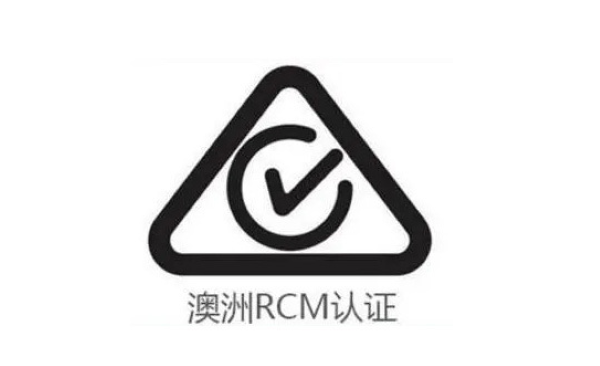
For those foreign trade partners engaged in the export of smart door locks, it is well-known that the local regulations for home security electronic products in Australia and New Zealand are extremely strict. Smart door locks with fingerprint, password, WiFi and Bluetooth connectivity, if they want to smoothly enter the markets of Australia and New Zealand, the RCM certification is a necessary and crucial hurdle that cannot be overlooked. There can be no slightest negligence. Many novice manufacturers tend to make mistakes, thinking that simply conducting a test can clear customs clearance. In fact, that is not the case. Without a formal RCM certification and marking, the goods will be directly detained by the customs upon arrival at the port. Not only will they have to pay heavy fines, but they will also suffer delays in the delivery cycle and even lose long-term cooperative customers. It is truly a case of losing more than gaining.

The demand for domestic and commercial surveillance equipment in South Korea has remained stable. Wireless cameras, with their advantages of no wiring, remote networking, and night vision monitoring, have become popular security accessories for exports to South Korea. However, many foreign exporters who have just started doing business in South Korea often encounter problems in the compliance process. Wireless cameras with WiFi transmission modules are strictly regulated as radio frequency electronic products in South Korea. Exporting to South Korea requires obtaining KC certification, which is a mandatory legal requirement and cannot be bypassed by simply submitting a regular inspection report. Goods without compliance certification may face penalties, suspension of sales, or even confiscation of goods due to customs detention. This is a waste of inventory costs and logistics expenses, and it is truly not worth it.
Learn the latest exciting content

Tik Tok