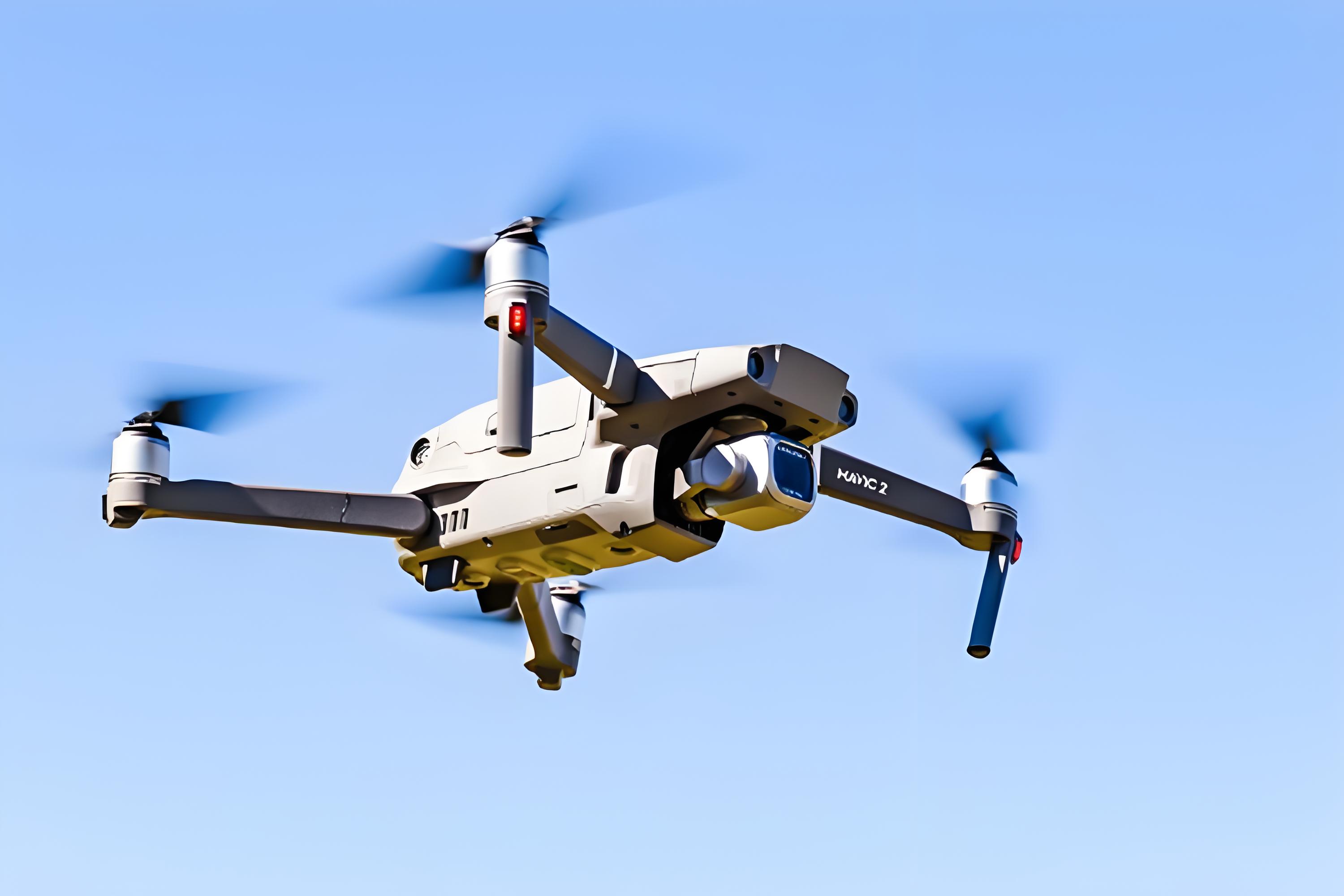
Thanks to its core advantages of wireless control, high-altitude aerial photography, and low-altitude operations, unmanned aerial vehicles (UAVs) are widely used in aerial mapping, outdoor exploration, and other fields. They are popular technology products for cross-border export to Canada. To enter the Canadian market, they must obtain the ISED certification - a mandatory entry certification led by the Department of Innovation, Science and Economic Development of Canada, which was formerly known as the IC certification. The core regulation is about the wireless radio frequency performance and electromagnetic compatibility of UAVs. It is a necessary certificate for the legal customs clearance and market entry sales of UAVs. Without certification, there will be risks such as goods seizure, fines, and even product recall.
Unlike the ISED certification for ordinary electronic accessories, the certification for UAVs is more targeted due to the integration of wireless video transmission and flight control modules, as well as the need for high-altitude flights. The testing standards are specific and need to be classified by function for certification. Wireless models (with Bluetooth, WiFi, and video transmission functions) follow standards such as RSS-247, focusing on testing radio frequency parameters and stray radiation to ensure no interference with the Canadian public communication spectrum; non-wireless models follow the ICES-003 standard, focusing on electromagnetic interference control. The core tests also include flight control signal stability and adaptability to extreme environments, which are in line with the usage scenarios of UAVs for high-altitude operations.
The certification processing procedure must comply with the requirements of the Canadian local market, with clear steps and specific precautions. First, clearly define the type of certification for the UAV (ISED-ID for wireless models, ISED-SDOC for non-wireless models), prepare 2-3 samples consistent with the production line, and simultaneously organize bilingual materials (English and French), core parameter tables, and local agent information (essential for foreign enterprises). Then, entrust an ISED-recognized laboratory to start the testing. In 2026, the new version of testing standards will be adopted, with a regular cycle of 4-6 weeks. If the test is不合格, it can be rectified and retested according to the plan.
After passing the test, it will be reviewed by the ISED authorized institution. Wireless models will obtain the IC ID mark, and non-wireless models will complete self-declaration filing. They can be labeled in accordance with the regulations to comply with export. In practice, there are three major misunderstandings: First, confusing ISED with IC certification, ignoring the requirements for standard updates; second, not specifying a local agent, and not providing bilingual materials (English and French), resulting in review delays; third, using the same certification materials for different functions of UAVs, causing certification failure. Completing ISED certification can smoothly enter the Canadian UAV market and ensure smooth export of goods.